Machine Tool Cooling
Machine Tool Chillers
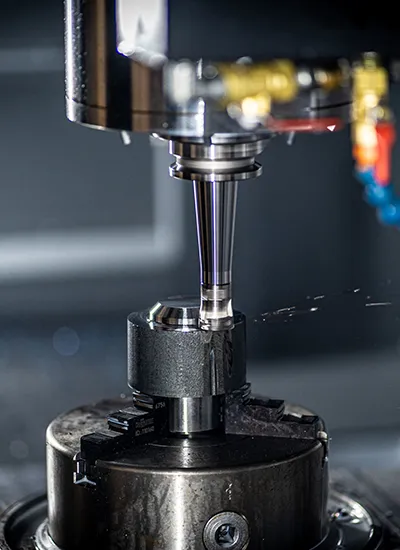
Whether for precision machining or standalone machine tool operations, stable temperature control is critical.
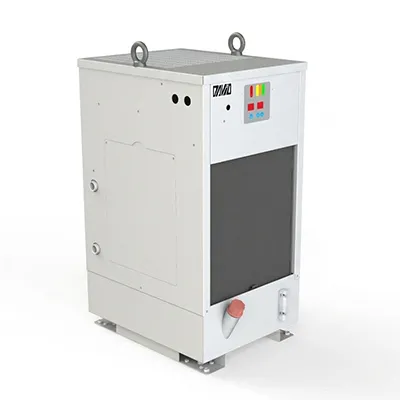
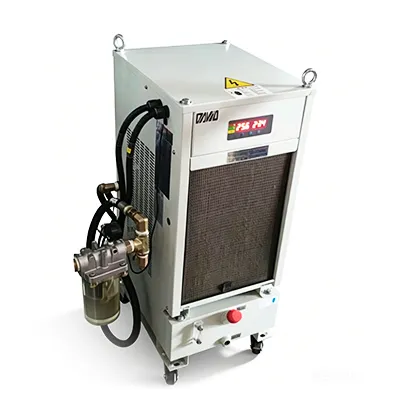
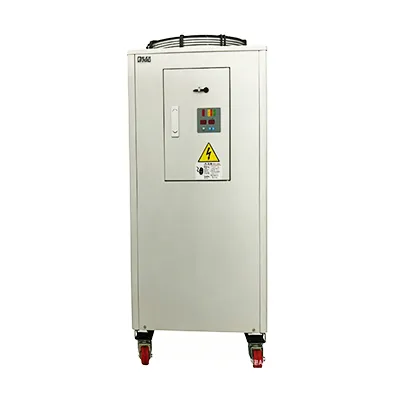
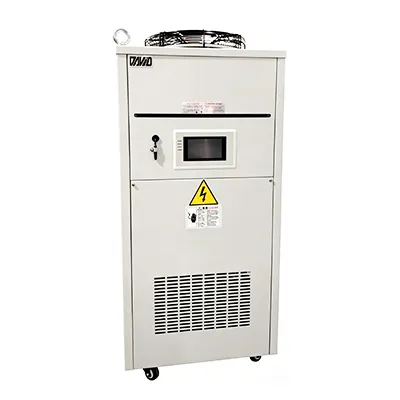
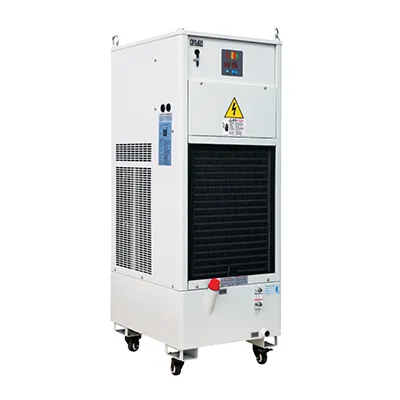
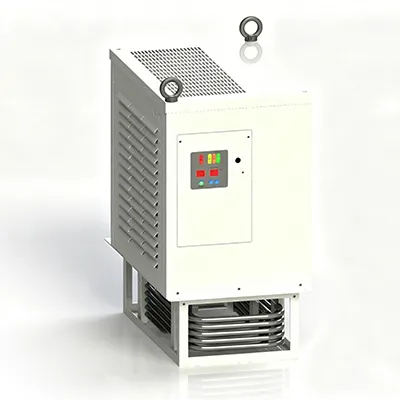
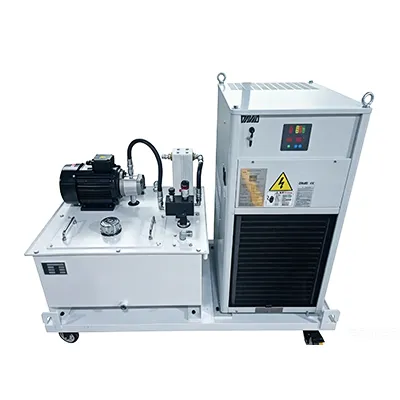
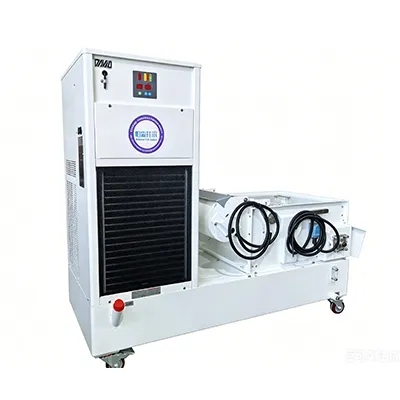
A machine tool chiller is a specialized cooling system used in CNC machine tools to regulate temperatures for cutting fluids, hydraulic oils and machine components, thus enabling your machine tools to run stably at high speeds with consistent machining accuracy. From high-precision machining centers that require rigorous temperature control accuracy to welding equipment that operates under varying working conditions, Passing The Torch can provide custom machine tool cooling solutions to adapt to your specific application.
Why choose us as your process chiller supplier?
- Our machine tool cooling chiller provides precise temperature control, this not only boosts your production efficiency but also lowers defect rates and prolongs equipment service life.
- Equipped with solvent condensation and emissions reduction system, machine tool chillers can help you meet strict environmental regulations and sustainability standards.
- Our process chillers seamlessly integrate with diverse machines, providing accurate and stable cooling efficiency.